
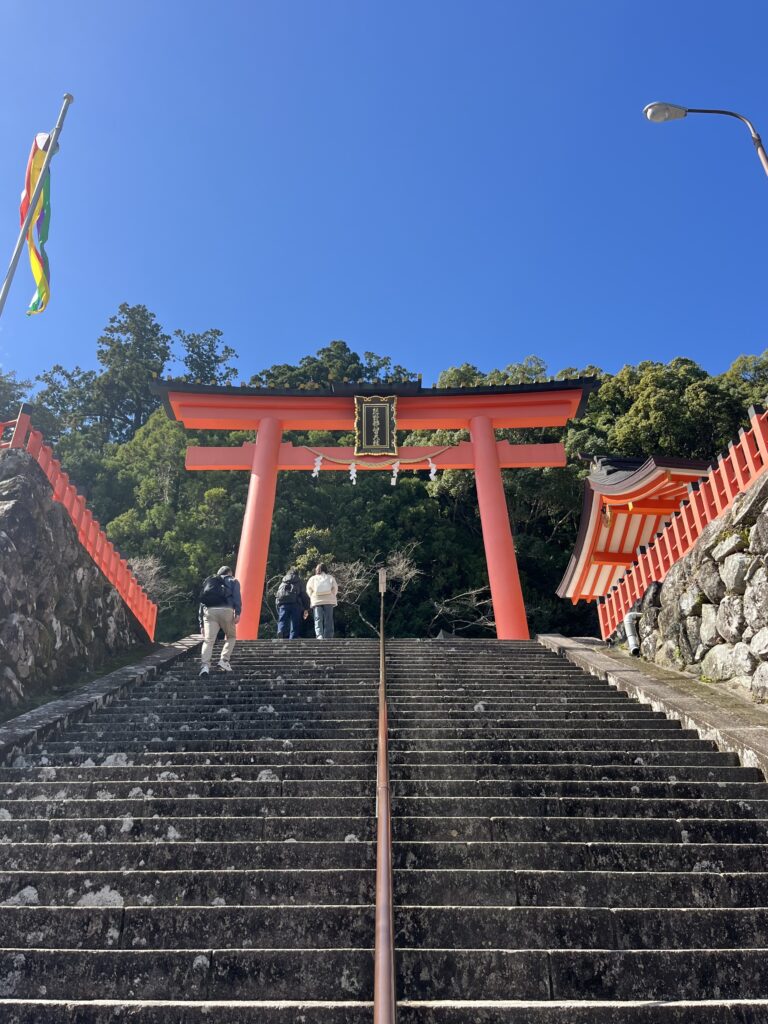
For many visitors to Japan, shrines are among the country’s most memorable places. A red torii gate standing quietly in the forest, the sound of gravel beneath your feet, the faint smell of incense drifting through the air — these scenes often leave a deeper impression than crowded city streets or famous tourist attractions.
Yet Japanese shrines can also feel confusing to foreign visitors.
Japan is often described as one of the least religious countries in the world. Many Japanese people do not strongly identify with a particular religion in the way people in Europe or the Middle East sometimes do. And yet, shrines remain deeply connected to everyday life. People visit them at New Year, before exams, during festivals, after the birth of a child, or simply while taking a walk through their neighborhood.
So what exactly are shrines?
The answer is more complicated — and perhaps more interesting — than simply calling them “religious places.”
To understand Japanese shrines is not only to understand religion in Japan, but also Japanese ideas about nature, seasons, tradition, community, and even silence itself.
What Is a Japanese Shrine?
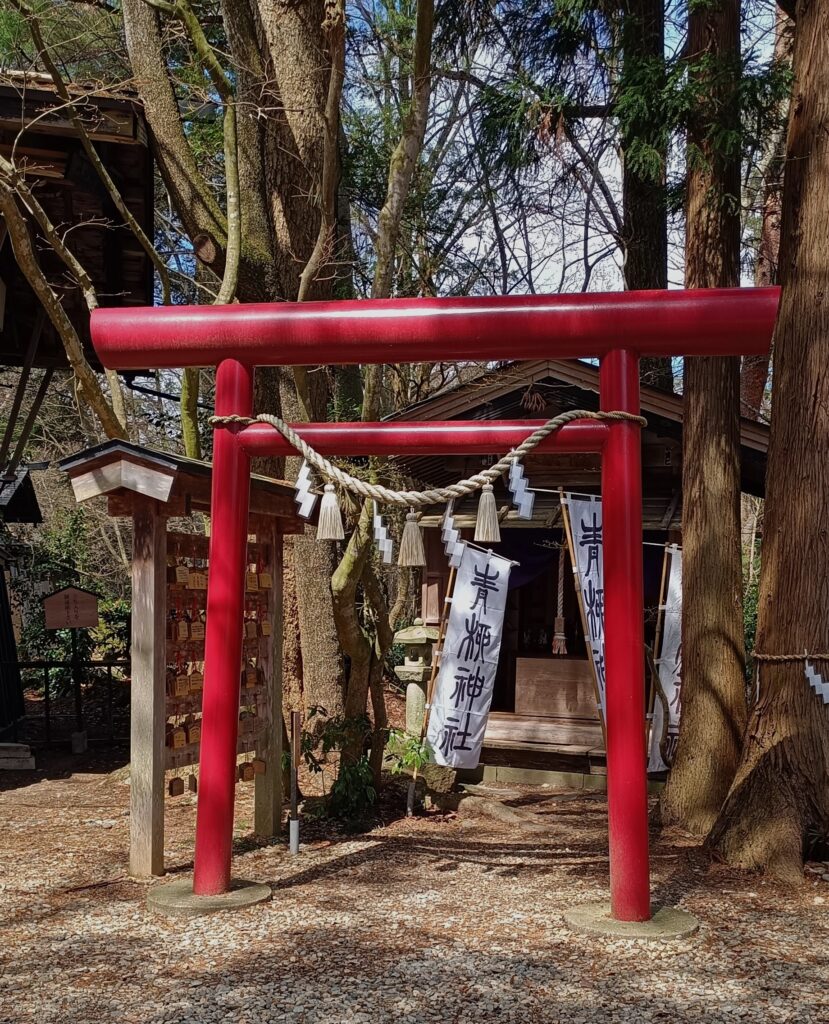
A Japanese shrine is a place connected to Shinto, Japan’s indigenous spiritual tradition. In Japanese, shrines are called jinja (神社), and they can be found almost everywhere in the country — hidden in forests, standing beside busy roads, tucked into mountain villages, or located in the center of major cities.
Unlike many Western religions, Shinto does not focus on a single founder, holy book, or strict doctrine. Instead, it is deeply connected to the idea that spiritual presence exists within the natural world.
These spiritual presences are often called kami. The word is difficult to translate directly into English because it does not simply mean “god” in the Western sense. A kami may be connected to mountains, rivers, ancient trees, ancestors, or even certain places that people have considered sacred for generations.
This connection to nature is one reason why many shrines feel peaceful and separate from the outside world. Walking through a torii gate often feels less like entering a religious institution and more like stepping into a quieter version of reality.
The design of shrines also reflects this atmosphere. Stone paths, wooden buildings, flowing water, lanterns, and surrounding trees create spaces meant not to overwhelm visitors, but to calm them.
Many shrines include a purification fountain called a temizuya, where visitors wash their hands before approaching the main hall. The act is simple, but symbolic: before entering a sacred space, one first becomes physically and mentally clean. Even for Japanese people who do not consider themselves religious, these rituals often feel natural rather than strictly spiritual. They are part of the rhythm of life.
Shrines and Temples: What’s the Difference?
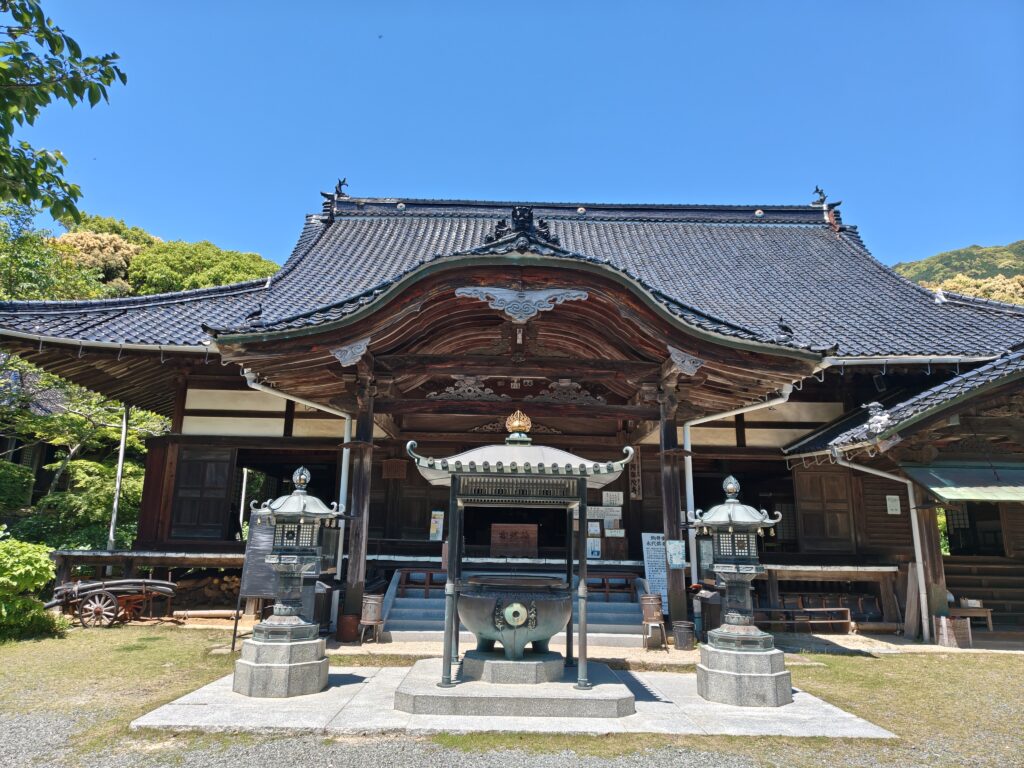
One common misunderstanding among visitors to Japan is the difference between shrines and temples.
Shrines belong to Shinto, while temples belong to Buddhism, which arrived in Japan from China and Korea over a thousand years ago. Although the two traditions are different, they have coexisted in Japan for centuries, and many Japanese people visit both without feeling any contradiction.
In general, shrines are often associated with life, nature, seasonal events, and local traditions. Temples, meanwhile, are more commonly connected to funerals, memorial services, Buddhist teachings, and reflection on the afterlife.
There are also visual differences. Shrines are usually marked by torii gates, while temples often feature large gates, incense burners, and Buddhist statues.
At shrines, visitors may bow, clap their hands, and offer a short prayer. At temples, people are more likely to quietly place their hands together in prayer while incense smoke drifts through the grounds.
But in everyday Japanese life, the boundaries are often softer than outsiders expect.
A family may visit a shrine for New Year celebrations, hold a traditional Shinto ceremony for a newborn child, and later conduct funerals according to Buddhist customs. Rather than choosing one religion over another, many Japanese people simply see both as part of cultural life.
This flexible relationship with spirituality is one of the things that makes Japan unique.
Shrines as Part of Everyday Life
In many countries, religious buildings are places people visit occasionally. In Japan, however, shrines are often woven quietly into ordinary daily life.
One of the most famous examples is hatsumode, the first shrine visit of the New Year. During the first days of January, millions of people across Japan visit shrines to pray for health, happiness, safety, or success in the coming year. Some large shrines receive several million visitors in just a few days.
For many Japanese people, this visit is less about strict religious belief and more about beginning the year with a sense of renewal.
Shrines also appear during important moments in life.
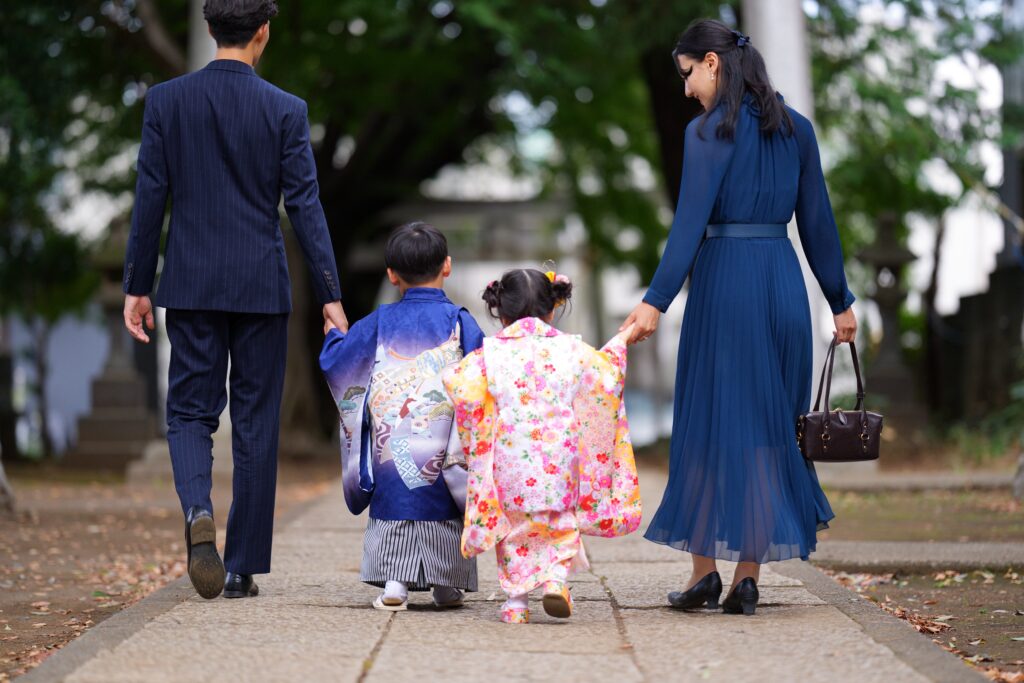
Parents may bring young children to shrines during the Shichi-Go-San celebration, where children aged three, five, and seven are blessed for healthy growth. Students often visit shrines before entrance exams to pray for academic success. Couples may hold traditional weddings at shrines, dressed in elegant kimono beneath the quiet sound of ceremonial music.
Even local festivals often center around shrines. During summer festivals, portable shrines called mikoshi are carried through neighborhoods while music, food stalls, and celebrations fill the streets. In these moments, shrines become not only spiritual places, but also social and cultural centers that connect communities together.
At the same time, shrines can also be surprisingly ordinary.
Some people stop by a local shrine during a morning walk. Office workers may visit briefly during lunch breaks. Elderly residents sometimes sit quietly on benches within shrine grounds, surrounded by trees and silence despite the city around them.
In this way, shrines are not completely separated from modern life. Instead, they exist beside it.
This may be one reason why shrines continue to feel alive even in contemporary Japan. They are not preserved only as historical monuments or tourist attractions. They remain connected to everyday habits, emotions, and routines.
For many Japanese people, visiting a shrine is not necessarily about asking for miracles. Sometimes it is simply about pausing for a moment in a busy world.
The Deep Connection Between Shrines and Nature
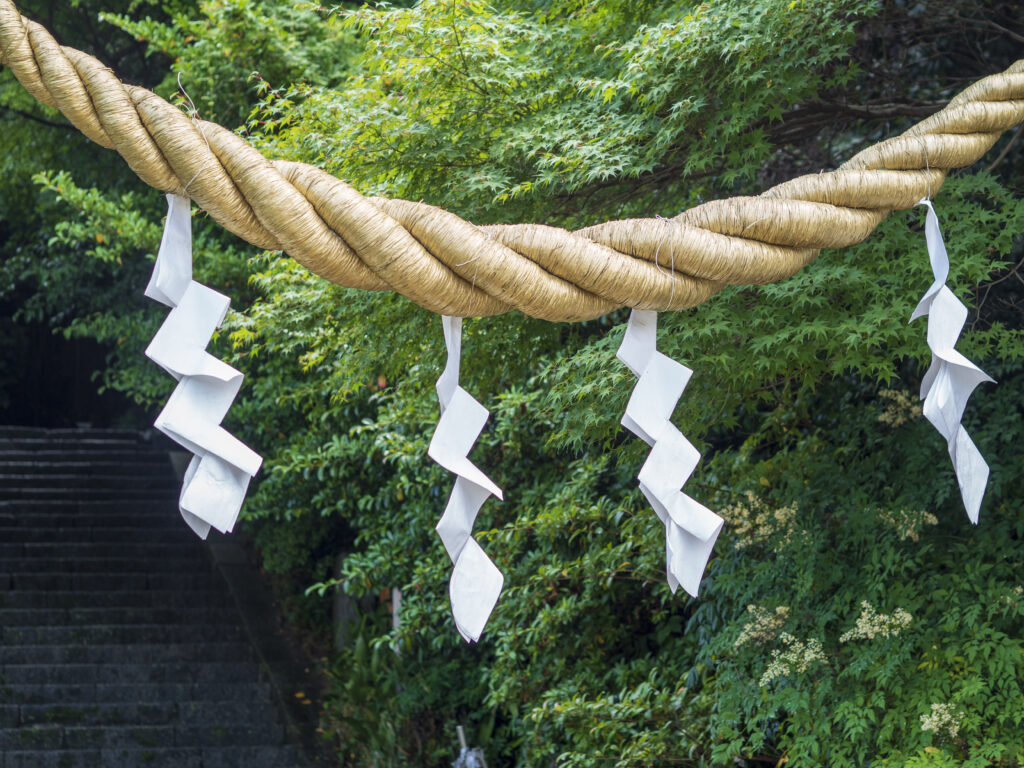
One of the most distinctive features of Japanese shrines is their relationship with nature.
Many shrines are surrounded by forests known as chinju no mori, or sacred groves. Even in large cities like Tokyo or Osaka, shrine grounds often feel unexpectedly calm and green, separated from traffic and noise by trees that have stood for generations.
This relationship reflects a broader Japanese cultural view that humans are not completely separate from nature, but part of it.
In Europe, religious buildings were often designed to rise above nature through grand architecture and monumental stone structures. Japanese shrines, by contrast, frequently blend into their surroundings. Wood, stone, water, moss, and natural light are all important elements of shrine spaces.
The changing seasons also shape the atmosphere of shrines throughout the year.
In spring, cherry blossoms gather around shrine paths. During the rainy season, moss deepens in color beneath wet stone lanterns. Summer brings the sound of cicadas and festival drums, while autumn covers shrine grounds in red and golden leaves. In winter, snow quietly transforms shrines into almost dreamlike landscapes.
This strong awareness of seasonality is deeply connected to Japanese aesthetics and daily life.
For many visitors, the emotional power of shrines comes not only from religious symbolism, but from this feeling of harmony between human spaces and the natural world.
Even small details reflect this connection. Water used for purification flows continuously. Ancient trees are protected with sacred ropes. Paths curve naturally rather than forcing strict symmetry.
The result is a kind of quietness that feels different from silence inside a museum or church.
It feels alive.
Ritual, Silence, and Emotional Space
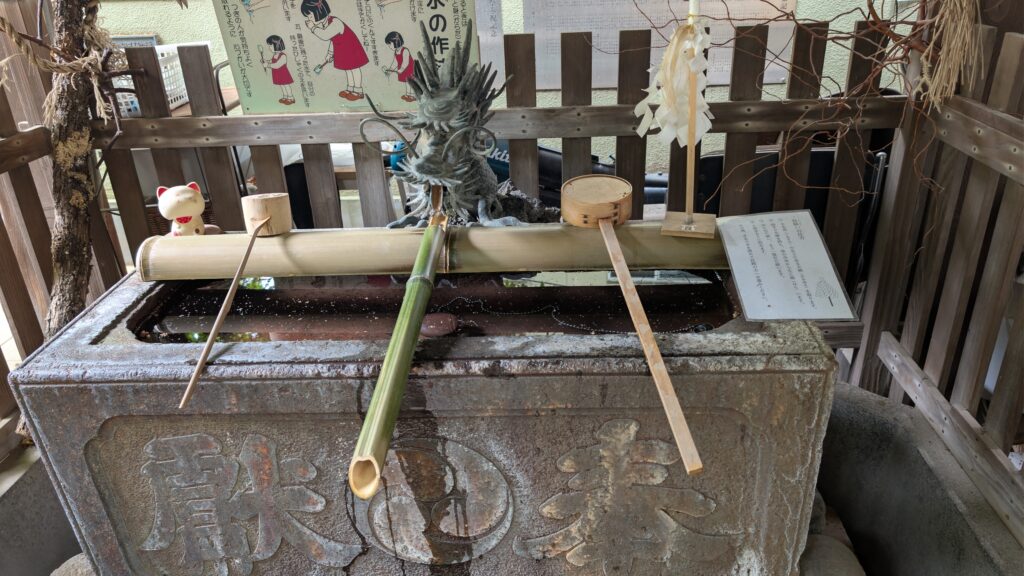
For first-time visitors, shrine rituals may seem mysterious at first.
People bow before entering. They wash their hands at purification fountains. Some ring bells before praying. Others buy small wooden plaques called ema and write wishes upon them. Paper fortunes known as omikuji are tied to branches and ropes throughout shrine grounds.
Yet despite these visible rituals, shrines often feel surprisingly relaxed.
There is usually no pressure to participate in a specific way. Visitors move quietly and naturally through the space, each person engaging with it differently.
Some pray seriously. Some simply admire the architecture. Others pause for a few moments of silence before returning to daily life.
This flexibility may help explain why shrines remain approachable even for people who do not consider themselves religious.
In many cases, people do not visit shrines because they are seeking dramatic spiritual experiences. They visit because shrines provide emotional space — a brief moment of calm, reflection, or reconnection.
Modern life in Japan can be intense. Cities are crowded, schedules are demanding, and digital communication never truly stops. Against this background, the quiet atmosphere of shrines can feel especially meaningful.
The experience is difficult to explain fully in words.
It may be the sound of wind moving through trees. The feeling of cool stone beneath your feet in summer. The sight of sunlight filtering through a torii gate in the late afternoon.
Small moments become memorable there.
And perhaps that is part of the reason shrines continue to matter.
Shrines in Modern Japan
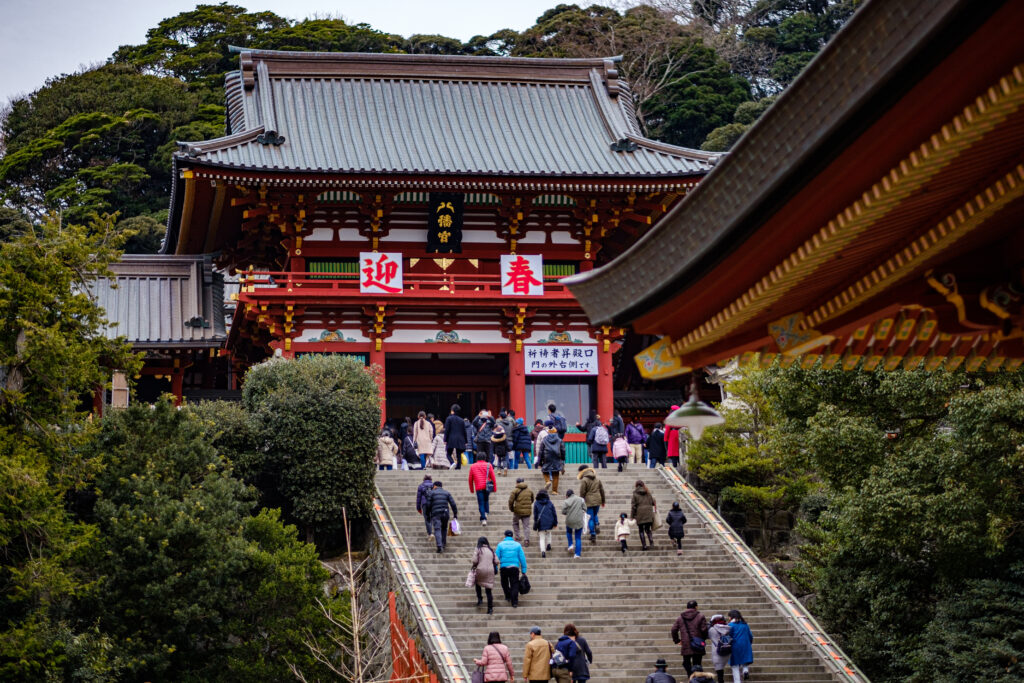
Despite Japan’s rapid modernization, shrines have not disappeared into the past.
Today, shrines remain deeply visible in Japanese society. Some are major tourist destinations visited by millions each year, while others are tiny neighborhood shrines cared for by local communities.
Young people still visit shrines during New Year celebrations or before important exams. Traditional festivals continue to attract huge crowds. Anime, films, and popular culture frequently use shrine settings because they instantly evoke a recognizable atmosphere of nostalgia, spirituality, or summer memories.
At the same time, modern technology has also changed shrine culture in unexpected ways. Some shrines now offer digital fortunes, online blessings, or social media accounts where seasonal scenery is shared with followers around the world.
Yet even with these modern adaptations, the essential atmosphere of shrines often remains unchanged.
A shrine is still one of the few places where people naturally lower their voices.
In a society shaped increasingly by screens, notifications, and constant movement, these quiet spaces may have become more valuable than ever.
More Than Religion
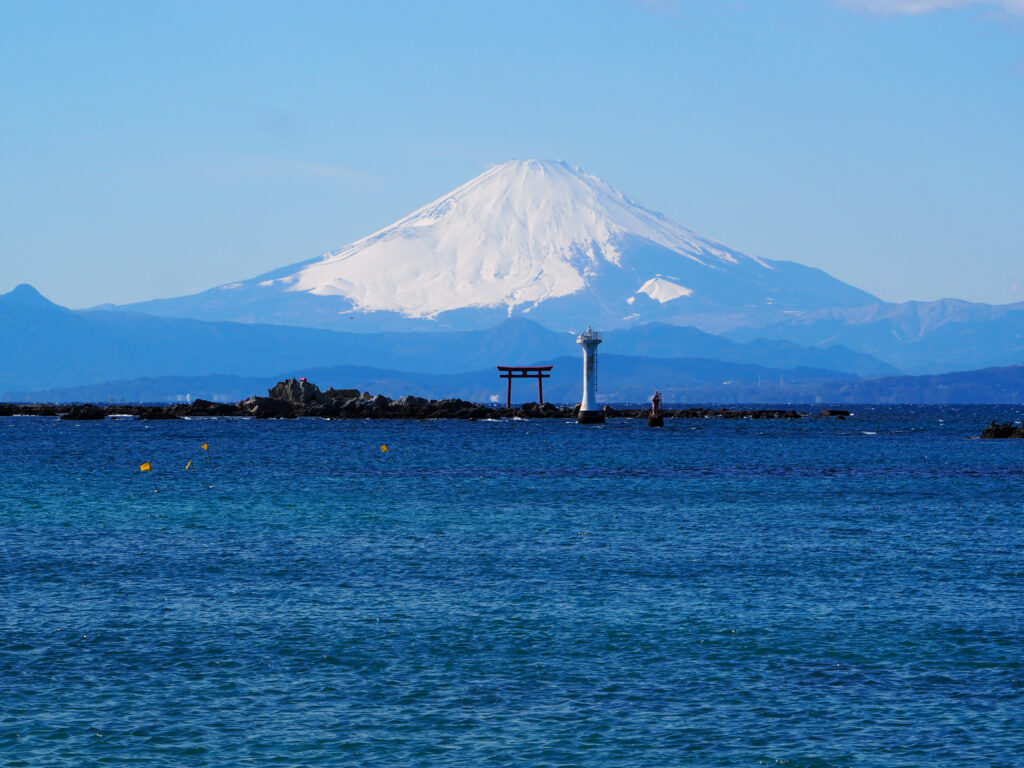
To understand Japanese shrines only as religious institutions is to miss much of their meaning.
Shrines are connected not only to spirituality, but also to memory, community, nature, and seasonal life. They are places where people mark beginnings, celebrate festivals, pause during difficult moments, or simply step away from the noise of everyday life for a short while.
Not every Japanese person believes deeply in Shinto theology. Many would not describe themselves as religious at all. And yet shrines continue to exist naturally within Japanese society, woven into daily routines and cultural traditions in ways that often feel invisible until someone looks closely.
Perhaps this is why shrines leave such a strong impression on visitors.
They are quiet places, but they reveal something important about Japan itself: an appreciation for small rituals, changing seasons, harmony with nature, and moments of silence within modern life.
In the end, understanding Japanese shrines is not only about understanding religion in Japan.
It is also about understanding how people choose to live alongside time, nature, and one another.