
More Than a Traditional Craft
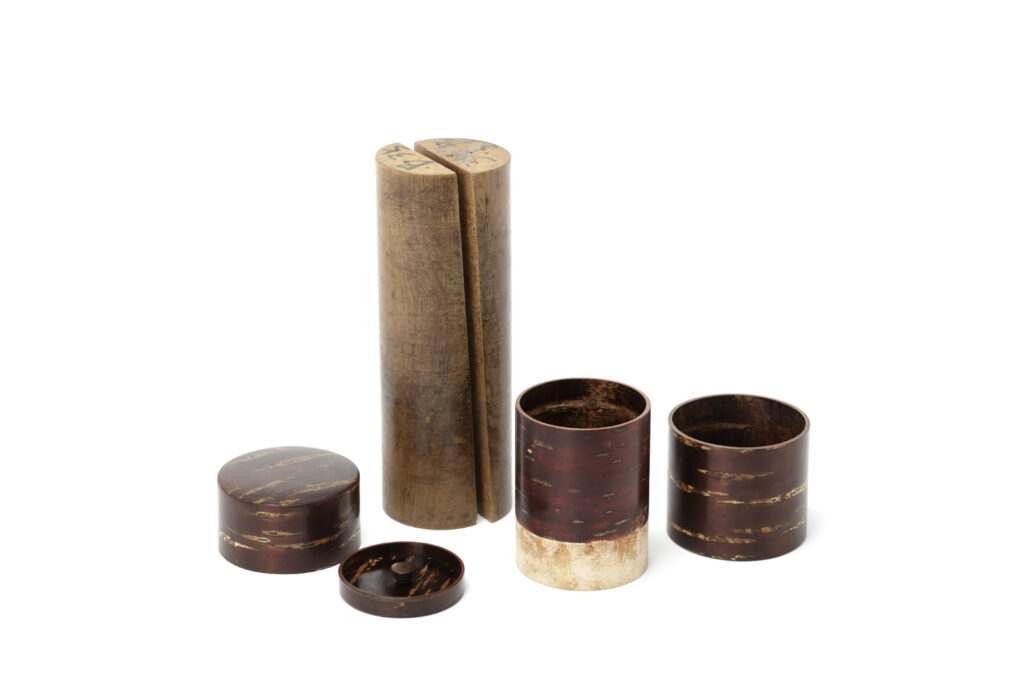
When people think of traditional Japanese crafts, they often imagine delicate ceramics, lacquerware, or handmade paper. Hidden among these famous crafts is Kabazaiku, a unique form of woodcraft made from the bark of wild mountain cherry trees.
Kabazaiku is most closely associated with Kakunodate, a historic town in Akita Prefecture in northern Japan. At first glance, Kabazaiku may appear to be simply a beautiful handcrafted product. However, behind its polished surface lies a fascinating story of samurai culture, economic hardship, and craftsmanship passed down through generations.
Unlike many traditional crafts that emerged from merchant communities, Kabazaiku has its roots in the lives of samurai. The craft developed in a castle town where warriors once lived, and it continues to reflect the values of patience, discipline, and attention to detail that were deeply respected in samurai society.
During my recent visit to Kakunodate, I had the opportunity to walk through its preserved samurai district and learn more about the history behind this remarkable craft. As I explored the quiet streets lined with traditional residences, it became easier to understand how history and craftsmanship remain closely connected in this corner of Japan.
Kakunodate: A Town Where History Still Lives
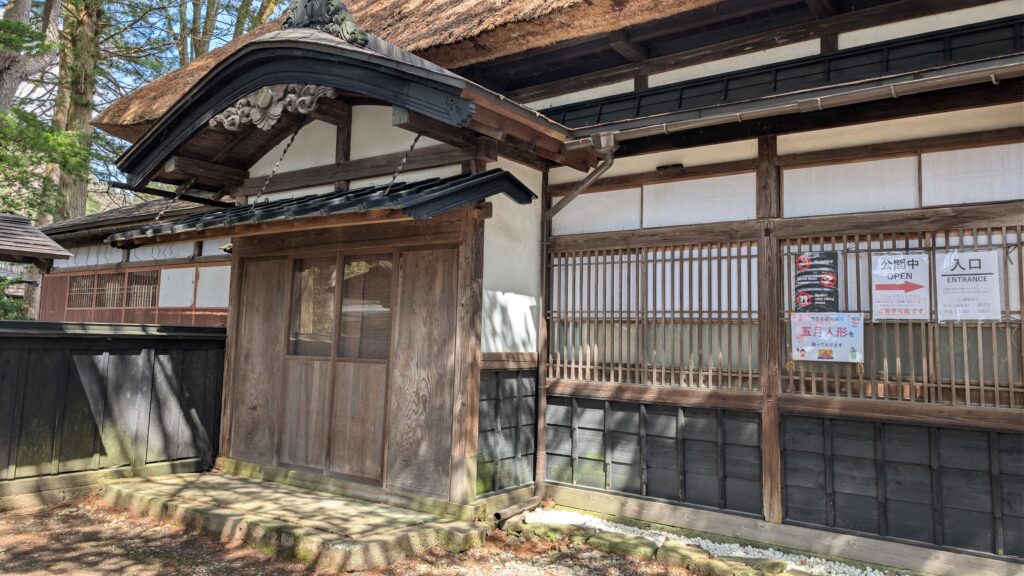
Kakunodate is often called the "Little Kyoto of the North." While the town may be much smaller than Kyoto, it has preserved something that has disappeared from many parts of Japan: an authentic samurai townscape.
Founded in the early seventeenth century, Kakunodate developed as a castle town under the rule of the Satake clan. The town was carefully planned with separate districts for samurai and merchants. Even today, visitors can walk through streets that look remarkably similar to how they appeared hundreds of years ago.
The most famous area is the Bukeyashiki District, or Samurai Residence District. Tall black fences, wooden gates, and spacious estates line the roads. Many of these residences have been preserved and are open to visitors, offering a glimpse into the daily lives of the warriors who once lived there.
Unlike castles that focus on military power, Kakunodate's charm comes from its atmosphere. The streets are quiet, the architecture is elegant, and the surrounding trees create a sense of calm. Walking through the district feels less like visiting a museum and more like stepping into a living piece of history.
This environment played an important role in the development of Kabazaiku. The craft did not emerge in isolation. It was shaped by the people, culture, and circumstances of the samurai community that called Kakunodate home.
The Lives of Samurai Beyond the Battlefield
-1024x460.jpg)
Popular culture often portrays samurai as warriors engaged in dramatic battles. While warfare certainly formed part of their history, the reality of samurai life during the Edo Period (1603–1868) was often very different.
Japan enjoyed a long period of peace under the Tokugawa Shogunate. As warfare declined, many samurai found themselves serving as administrators, scholars, and local officials rather than soldiers.
Although samurai occupied a respected social position, not all of them enjoyed wealth. In fact, many lower-ranking samurai faced financial difficulties. Their stipends were often fixed, while the cost of daily living gradually increased. Maintaining their households and social status became increasingly challenging.
Life for many samurai was far more modest than modern images often suggest. Their homes were practical rather than luxurious, and daily life revolved around managing household affairs, studying, performing administrative duties, and supporting their families.
Visitors to Kakunodate today can still gain a glimpse of this lifestyle through the preserved samurai residences. Household tools, farming implements, storage containers, and simple living spaces reveal a way of life that was often disciplined and frugal rather than extravagant.
For lower-ranking samurai, finding additional sources of income became increasingly important. Some taught literature or martial arts, while others developed practical skills and small industries that could supplement their earnings.
It was within this environment that Kabazaiku began to develop.
Rather than being created by wealthy merchants or large workshops, Kabazaiku emerged from the ingenuity of samurai families seeking new ways to support themselves during a long period of peace. The craft provided an opportunity to generate income while applying the patience, discipline, and attention to detail that were already valued within samurai culture.
In this sense, Kabazaiku represents more than a traditional craft. It reflects the resilience and adaptability of a community that found new ways to preserve its livelihood while maintaining its identity.
The story of Kabazaiku reminds us that the legacy of the samurai is not limited to swords and armor. It can also be found in the everyday objects, skills, and traditions that they passed on to future generations.
The Birth of Kabazaiku
The origins of Kabazaiku can be traced back to the late eighteenth century.
According to local history, a samurai named Fujimura Hikoroku played a significant role in introducing techniques that would later develop into Kabazaiku. Inspired by decorative bark crafts from northern Japan, he began experimenting with ways to work with the bark of wild mountain cherry trees.
The material proved ideal for handcrafted objects. Cherry bark possesses natural beauty, durability, and moisture-resistant qualities. Its smooth texture and rich color make it attractive without requiring elaborate decoration.
Over time, local artisans refined the techniques and began producing practical household items. The craft gradually spread among samurai families in Kakunodate, creating an industry that supported the local economy.
What makes this story particularly interesting is that Kabazaiku was not born in a large commercial center. Instead, it emerged within a relatively small samurai community. The craft became a way for people to preserve both their livelihood and their cultural identity.
As generations passed, techniques were improved and standardized. Today, many of the methods used by craftsmen remain remarkably similar to those developed centuries ago.
Why Cherry Bark?
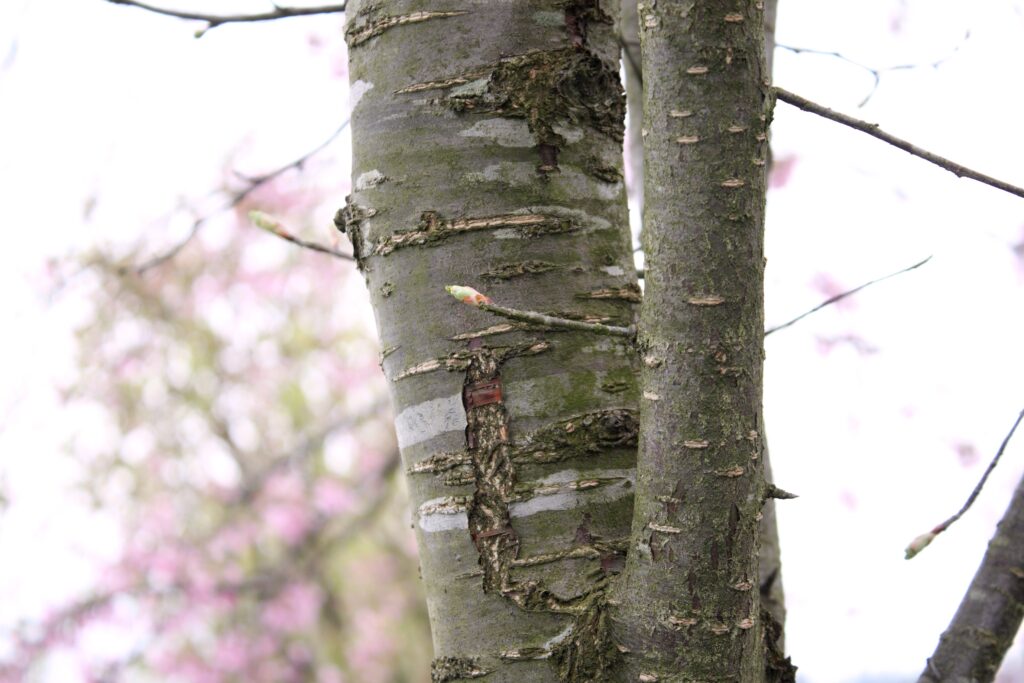
One of the most distinctive features of Kabazaiku is its material.
The craft uses the bark of the wild mountain cherry tree, known in Japanese as yamazakura. Unlike industrial materials, cherry bark possesses natural characteristics that make each piece unique.
The bark displays subtle variations in color, texture, and pattern. Some sections are dark and glossy, while others reveal lighter shades and delicate markings. Craftsmen carefully select different portions of bark depending on the desired appearance of the final product.
Another important characteristic is the bark's ability to regulate humidity. This makes Kabazaiku particularly suitable for tea caddies, which have become one of the most iconic products associated with the craft.
Tea leaves are highly sensitive to moisture and changes in temperature. The natural properties of cherry bark help create a stable environment for storage, preserving aroma and flavor.
This combination of beauty and practicality reflects a common principle found in Japanese craftsmanship: objects should not only be visually appealing but also serve a meaningful purpose.
For this reason, Kabazaiku products are admired not merely as decorative items but as tools designed to enrich everyday life.
How Kabazaiku Is Made
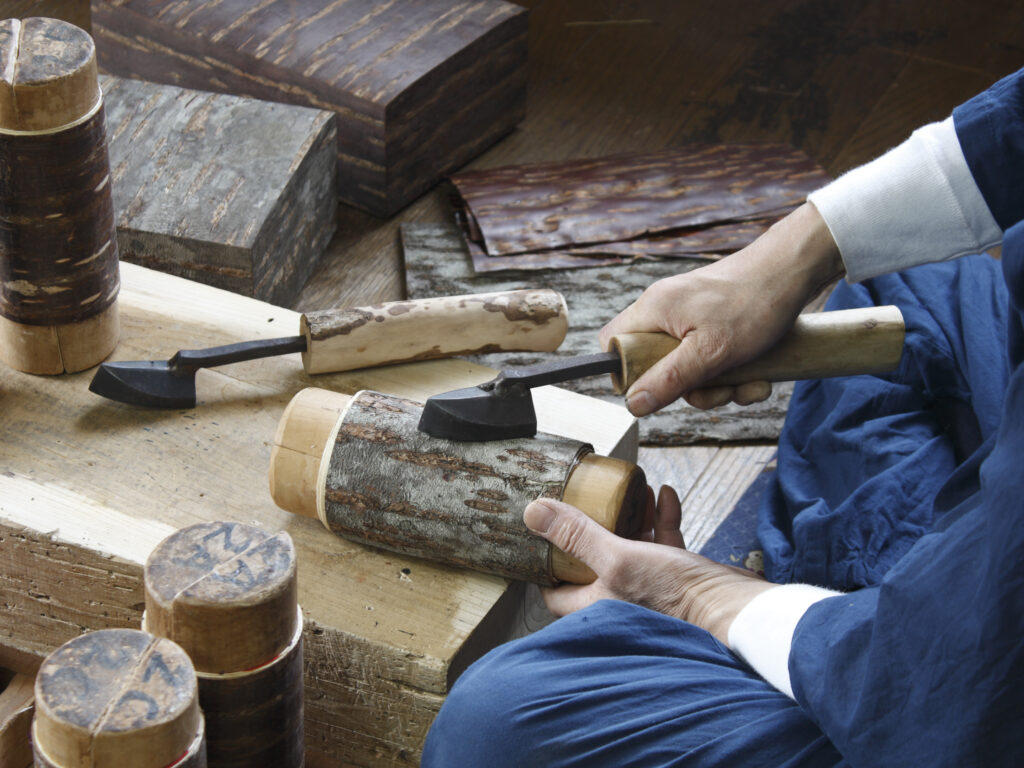
The creation of Kabazaiku requires patience, precision, and years of experience.
The process begins with the careful harvesting of bark from wild mountain cherry trees. Craftsmen remove only the outer bark without harming the tree, allowing it to continue growing naturally. This practice reflects a long-standing respect for nature that is often found in traditional Japanese craftsmanship.
After harvesting, the bark is cleaned, sorted, and dried. Different sections of bark have different colors, textures, and patterns, so craftsmen carefully select materials according to the intended design.
The bark is then softened and cut into precise shapes before being applied to a wooden base. Depending on the product, multiple pieces may be joined together to create a smooth and seamless surface.
Once assembled, the surface is polished repeatedly to reveal the natural beauty and rich gloss of the cherry bark. Unlike painted decorations, the distinctive appearance comes directly from the material itself.
Although modern tools may assist some stages of production, much of the work still relies on techniques that have been passed down through generations. Every step requires careful attention to detail, reflecting the craftsmanship that has defined Kabazaiku for more than two centuries.
What Makes Kabazaiku Special?
One reason Kabazaiku has remained popular for generations is its unique combination of beauty and practicality.
The natural surface of cherry bark develops a deep, warm luster over time. Rather than wearing out, many Kabazaiku products become more attractive through regular use. This appreciation of gradual change is closely connected to the Japanese aesthetic concept of finding beauty in age and imperfection.
Another remarkable feature is its ability to regulate humidity. For this reason, Kabazaiku has long been used for tea caddies. Tea leaves are highly sensitive to moisture, and the natural properties of cherry bark help maintain an environment that protects their aroma and flavor.
Durability is another advantage. Despite its elegant appearance, Kabazaiku is designed for everyday use. Many families pass down their tea caddies and other items from one generation to the next.
Perhaps most importantly, every piece is unique. Because no two sections of bark are identical, each product carries its own natural patterns and character. This individuality gives Kabazaiku a warmth that cannot be replicated by mass-produced goods.
Kabazaiku in Modern Life
While Kabazaiku is rooted in history, it continues to evolve.
Tea caddies remain the most iconic products, but modern craftsmen have expanded their creations to suit contemporary lifestyles. Today, visitors can find a wide range of items including stationery, trays, accessories, business card holders, pen cases, and interior decorations.
These modern adaptations demonstrate the flexibility of the craft. Rather than remaining frozen in the past, Kabazaiku continues to find new ways to fit into everyday life.
This ability to adapt has helped preserve tradition. Younger generations may not use tea caddies as frequently as their grandparents did, but they can still appreciate the beauty of Kabazaiku through practical items designed for modern living.
For international visitors, Kabazaiku also offers something increasingly rare in today's world: a handcrafted object with a clear connection to place, history, and tradition.
In an age of mass production, products like these remind us of the value of skilled craftsmanship and the stories behind the objects we use.
My Visit to Kakunodate
During my visit to Kakunodate, I was struck by how closely history and daily life remain connected.
Walking through the Samurai Residence District, I passed traditional gates, wooden fences, and beautifully preserved homes that have stood for generations. The streets were peaceful, and it was easy to imagine the lives of the samurai families who once walked the same paths.
Visiting the Kabazaiku Denshokan (Kabazaiku Traditional Craft Museum) added another layer to the experience. Seeing the finished products alongside explanations of their history helped me appreciate how deeply the craft is connected to the town itself.
What impressed me most was the sense of continuity. The samurai who helped establish this craft are long gone, yet their influence can still be seen in the skills, values, and traditions that survive today.
Kabazaiku is not simply a souvenir or decorative object. It is part of a larger story about a community that adapted to changing times while preserving its cultural identity.
For visitors to Japan, Kakunodate offers a rare opportunity to experience both history and craftsmanship in the same place. The town itself helps explain why Kabazaiku developed here and why it continues to be cherished today.
A Living Legacy
Kabazaiku is far more than a traditional craft.
Its story begins in a samurai town, shaped by the lives of warriors who sought new ways to support their families during a long period of peace. Through creativity, discipline, and dedication, they transformed the bark of wild mountain cherry trees into objects of lasting beauty and practical value.
Today, Kabazaiku continues to represent the spirit of Kakunodate. The craft reflects a deep respect for nature, an appreciation of skilled workmanship, and a connection to history that remains visible in the town's preserved streets and residences.
What makes Kabazaiku even more remarkable is its rarity. Today, Kabazaiku is produced only in Akita Prefecture, and the vast majority of it is made in Kakunodate. This close connection between craft and place has helped preserve the traditions, techniques, and cultural heritage that have been passed down for generations.
For those interested in Japanese culture, Kabazaiku offers something unique. It is not only a beautiful handcrafted product but also a tangible link to the people and traditions that shaped it.
Walking through Kakunodate and learning about its history reminded me that some of Japan's most fascinating stories are found not only in famous castles or temples, but also in the everyday objects created by generations of dedicated craftsmen.
Kabazaiku is one such story—a living legacy where samurai heritage, craftsmanship, and the spirit of Kakunodate continue to meet today.
Interested in owning authentic Kabazaiku from Japan? Feel free to contact JLPS for product inquiries.