
When you think about getting a haircut, the first thing that may come to mind is simply making your hair shorter.
But a well-designed haircut can do much more than remove length.
It can change the shape of the head, create movement, make thick hair appear lighter, give fine hair more presence, or completely change the impression a person gives.
This is particularly easy to see in men’s hairstyles. Two men can have hair of a similar length and yet look completely different depending on how the hair has been cut and shaped.
So what actually makes the difference?
Similar Length, Very Different Looks
Think about the variety of men’s hairstyles we see today.
A clean, structured short cut can look sharp and sophisticated. A textured crop can feel more casual and contemporary. A longer centre-parted style can create softness and movement, while a carefully shaped scissor cut can give a classic hairstyle a much more modern appearance.
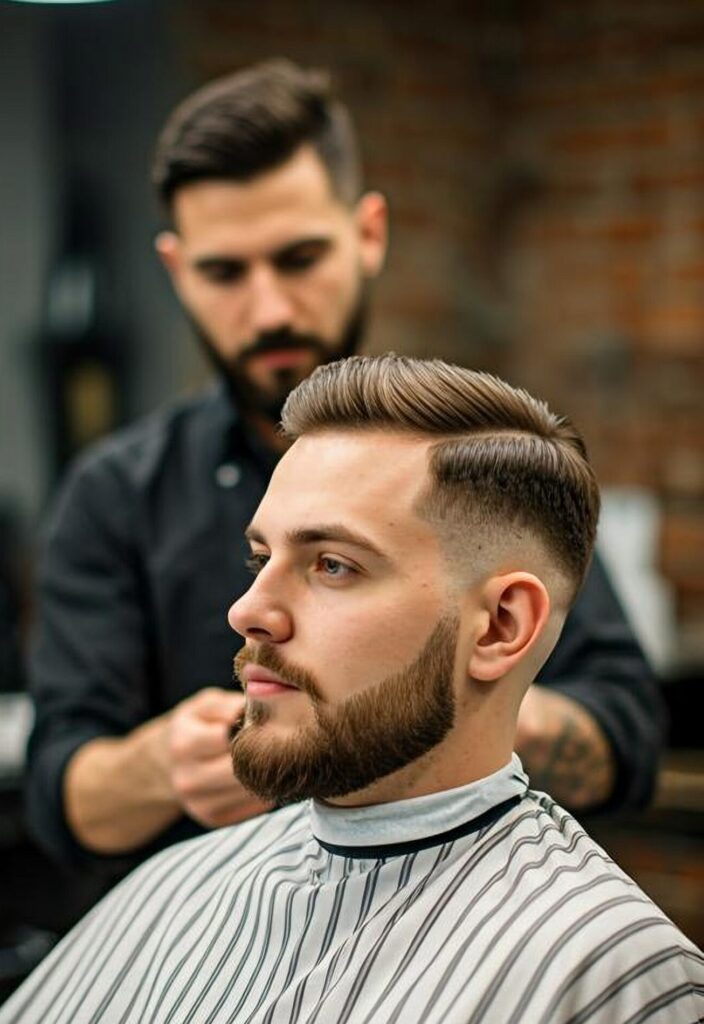
Japanese professional hair media also shows just how varied men’s hair design has become. Current styles range from soft, layered shapes to structured barber cuts combining fades with carefully controlled texture.
The difference is not simply whether the hair is short or long.
Much of it comes down to shape, texture, movement and balance.
Shape: Designing the Silhouette
One of the most important jobs of a haircut is to create shape.
A stylist can leave more volume at the sides, create height at the top, keep softness around the face or make the back of the head appear more rounded.
These choices influence the overall silhouette of the hairstyle.
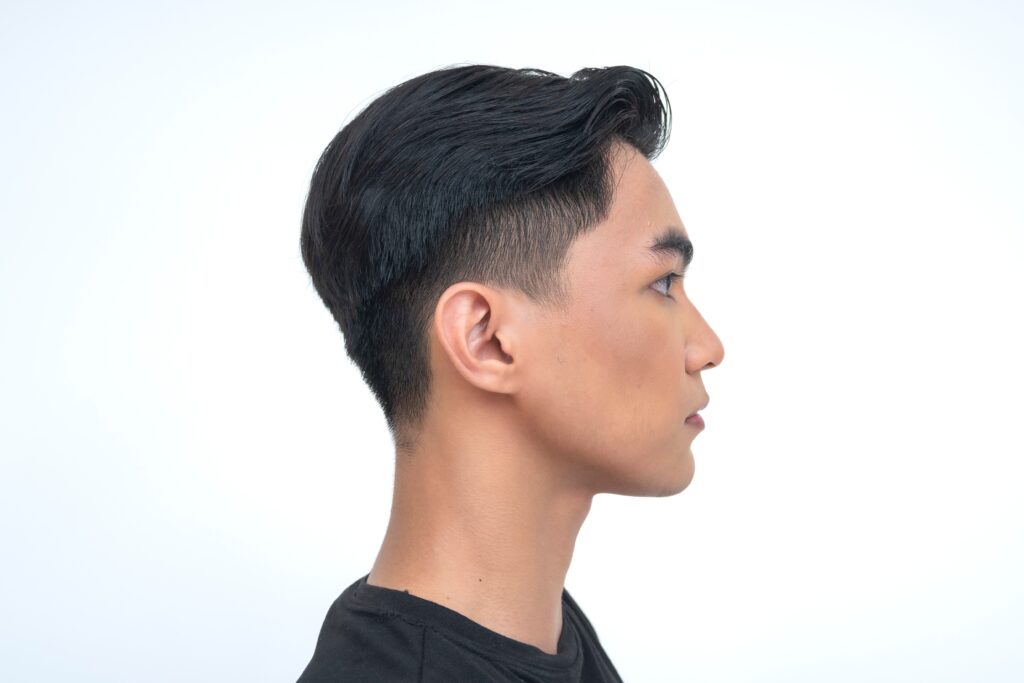
They can also be adjusted according to a person's natural hair growth, hair type and head shape.
For example, a stylist may leave more weight in one area while removing it from another, or change the position and direction of layers to create depth. Professional Japanese men’s-hair education also places emphasis on adapting cutting techniques to individual bone structure and hair characteristics rather than simply reproducing the same style on every client.
This is one reason why a photograph of a hairstyle should often be considered an inspiration rather than an exact template.
A skilled stylist interprets the design for the person sitting in the chair.
Similar Length, Very Different Looks
Then there is texture.
Hair can look smooth and controlled, soft and airy, separated into defined pieces, or deliberately tousled.
Even when the basic shape remains similar, changing the texture can change the entire character of a hairstyle.
This is particularly noticeable with short and medium-length men’s hair. A solid outline can create a strong, graphic impression, while softer ends and separated strands can make a similar length appear lighter and more relaxed.
Japanese hair professionals use a variety of cutting methods to control this effect. For example, Mizutani Scissors describes slide cutting as a technique that can create natural lightness and direction at the ends, while chop cutting can soften the ends and introduce movement.
The important point for the person receiving the haircut is not necessarily the name of every technique.
It is understanding that texture is something a stylist creates deliberately.
Movement: Hair Does Not Have to Sit in One Fixed Shape
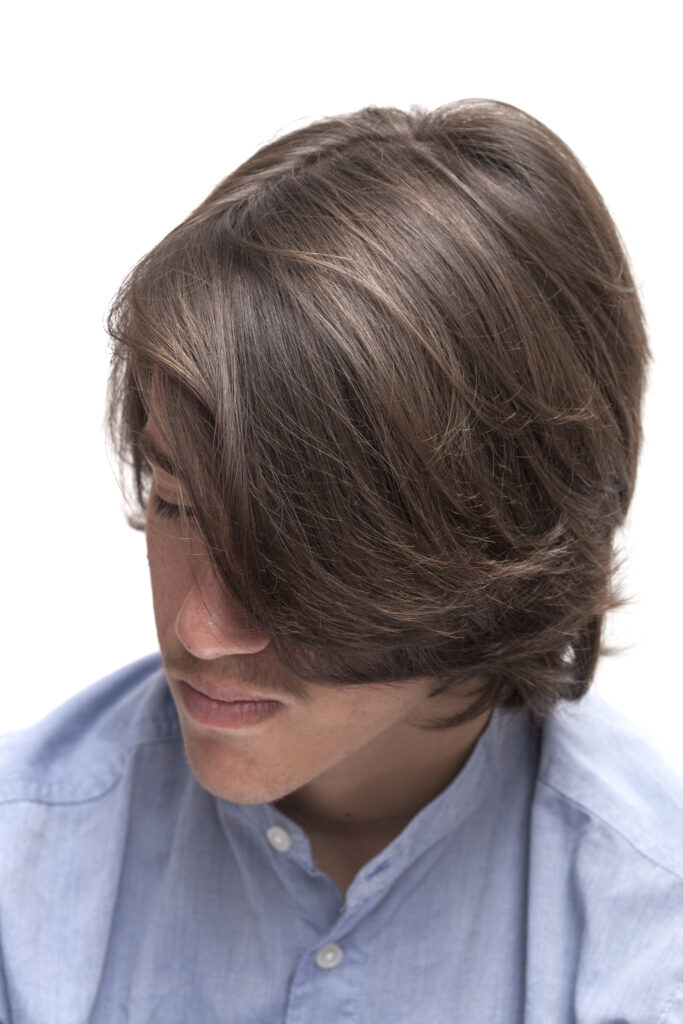
Good hair design also takes into account what happens when the person moves.
Hair falls, separates and changes direction.
Layers, weight distribution and the treatment of the ends can all influence how naturally the hair moves.
A hairstyle can therefore be designed to look light and fluid rather than simply forming one fixed block around the head.
For example, PREPPY Web’s presentation of a contemporary Japanese “Cloud Mash” style shows how layers and chop cutting are used in different parts of the haircut to create both a controlled silhouette and softer movement around it.
This combination of structure and movement is one of the reasons a carefully cut hairstyle can continue to look interesting from different angles.
Haircuts Are Designed for Individuals
Another important part of a professional haircut is balance.
Not every fashionable hairstyle will suit every person in exactly the same way.
Hair thickness, natural wave or curl, growth direction and head shape all affect the result. A stylist therefore has to decide where to keep weight, where to remove it and how the hair should fall around the face.
This also explains why two people showing their stylist the same reference photograph may leave the salon with slightly different versions of the style.
The objective is not simply to copy a picture.
It is to understand what makes the style work and adapt those elements to an individual.
How Do Stylists Create These Differences?
Behind the finished hairstyle are many different cutting techniques.
- Layering can be used to redistribute weight and create shape or movement.
- Chop cutting can soften an otherwise strong outline and create lightness at the ends.
- Slide cutting can help create direction, separation and a more fluid finish.
- Thinning and texturising techniques can control the amount and distribution of hair in particular areas.
Professional cutting education treats these techniques as different tools for producing different visual effects rather than simply different ways of making hair shorter. Mizutani, for example, teaches slide, stroke, pitch and chop cutting separately because each affects texture and hair volume differently.
And this brings us to another tool that is easy for clients to overlook:
the scissors themselves.
Why Professional Scissors Matter
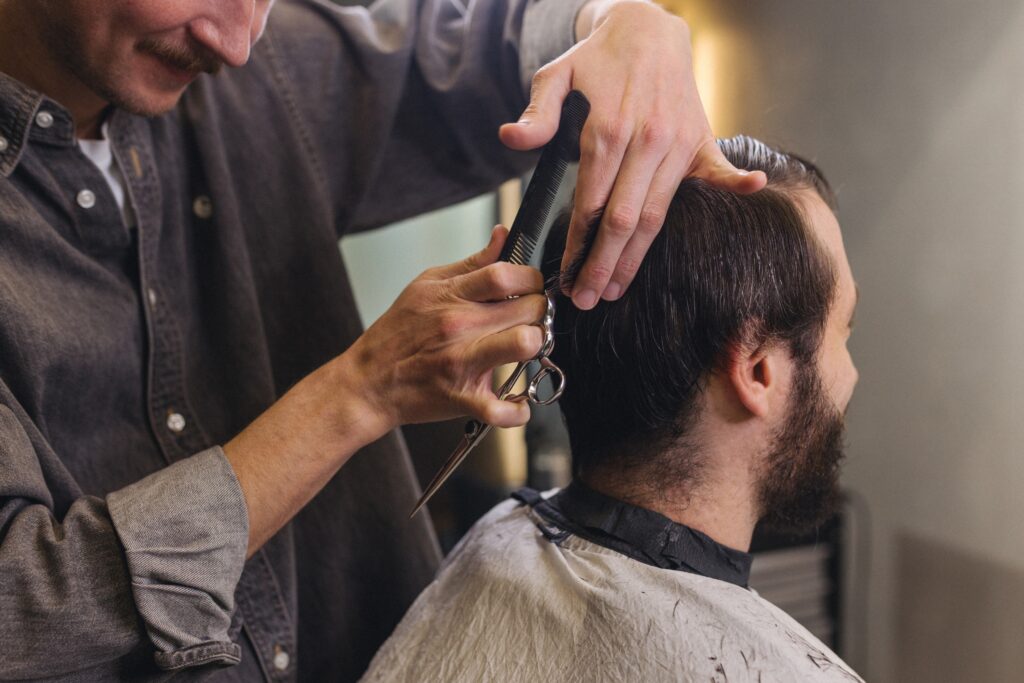
To most of us, scissors may simply look like scissors.
For a professional hairstylist or barber, however, different scissors can be designed for different purposes.
Blade length, blade shape, balance and handle design can affect how a stylist performs different cutting techniques.
HIKARI, a Japanese manufacturer of professional hairdressing scissors, for example, recommends different scissor lengths and blade shapes depending on whether the stylist is performing blunt cutting, scissor-over-comb work, slide or slice cutting, or other techniques.
In other words, the relationship is not simply:
hair + scissors = haircut.
It is closer to:
design + technique + professional tools = the finished hairstyle.
From Hair Design to the Tools Behind It
Japan has developed a strong professional culture around men’s hairstyling and cutting education. Specialist salons, educators and professional publications regularly examine not only finished hairstyles but also the cutting processes used to create their shape, texture and movement.
Japanese scissor makers also develop different tools around the needs of those techniques. HIKARI, for example, currently categorises professional scissors according to functions such as base cutting, slide cutting and long-scissor work.
This is where hair design and craftsmanship begin to meet.
A beautiful hairstyle starts with an idea.
The stylist turns that idea into shape, texture and movement.
And professional tools help the stylist translate those decisions into hair.
In our upcoming articles, we will look more closely at the techniques behind modern hairstyles — and eventually at the Japanese professional scissors designed to support them.
Next: Women’s Hair — How Shape, Layers and Texture Can Transform Longer Hair
Interested in professional Japanese hairdressing tools? JLPS helps customers find selected Japanese products and communicate with suppliers in Japan. Learn more about our Japanese Product Sourcing & Coordination service.